
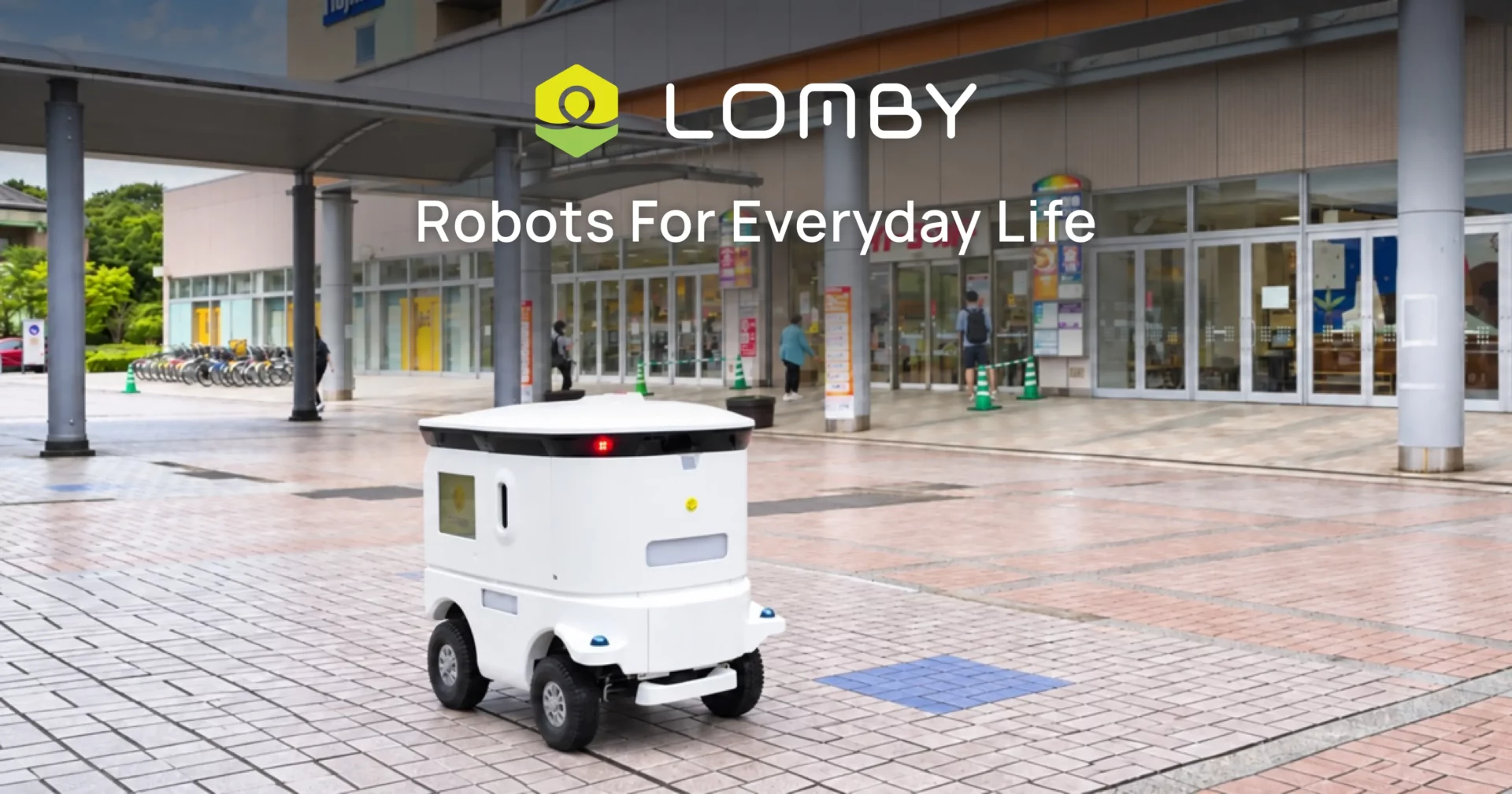
- LM-T -
Leave Repetitive Transport
to Robots.
An autonomous transport robot
for factories and facilities.
- Indoor
&
Outdoor Use - Max. Load:
60 kg*
*Reference value - Remote Monitoring


CONCEPT
The Concept Behind LM-T
Smarter, Smoother Onsite Logistics.
Automate daily transport so people can focus on the work that matters most.
POSSIBLE
What LM-T Can Do
Automates a wide range of transport tasks within factories and facilities.
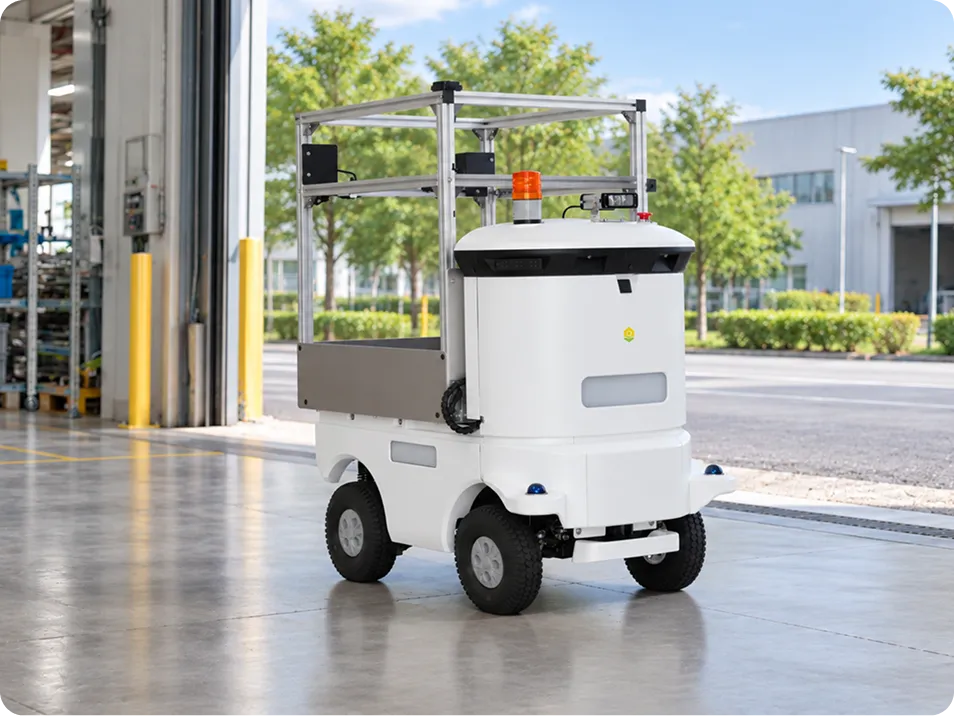
Transport Between Indoor and Outdoor Areas
Supports transport between indoor work areas and outdoor locations.
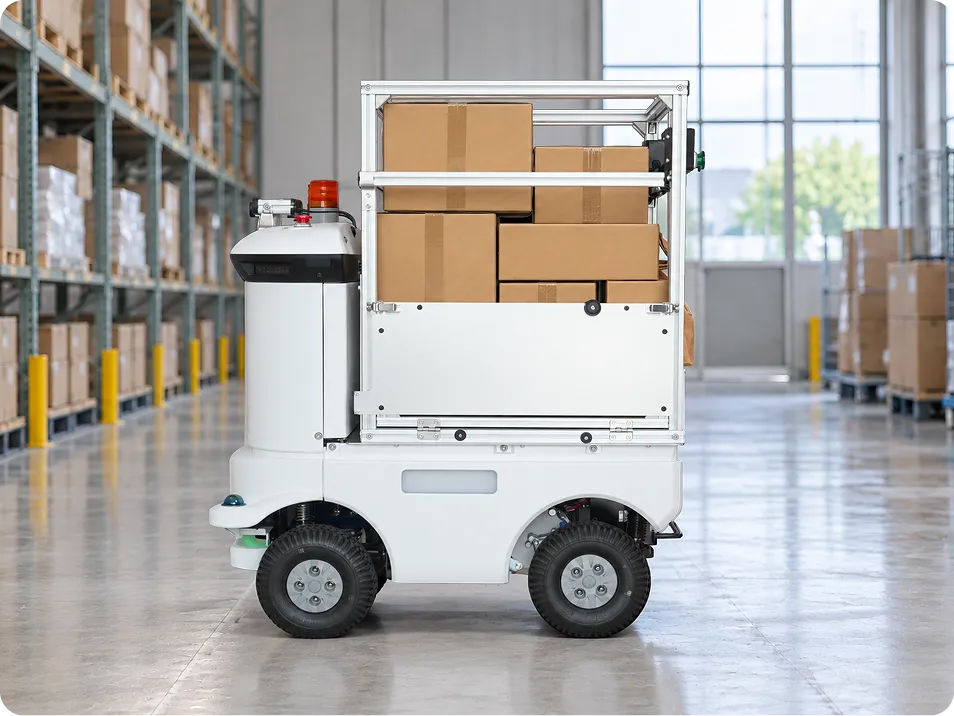
Transports Loads up to 60 kg*
Transports frequently moved items such as parts and samples.
*Reference value
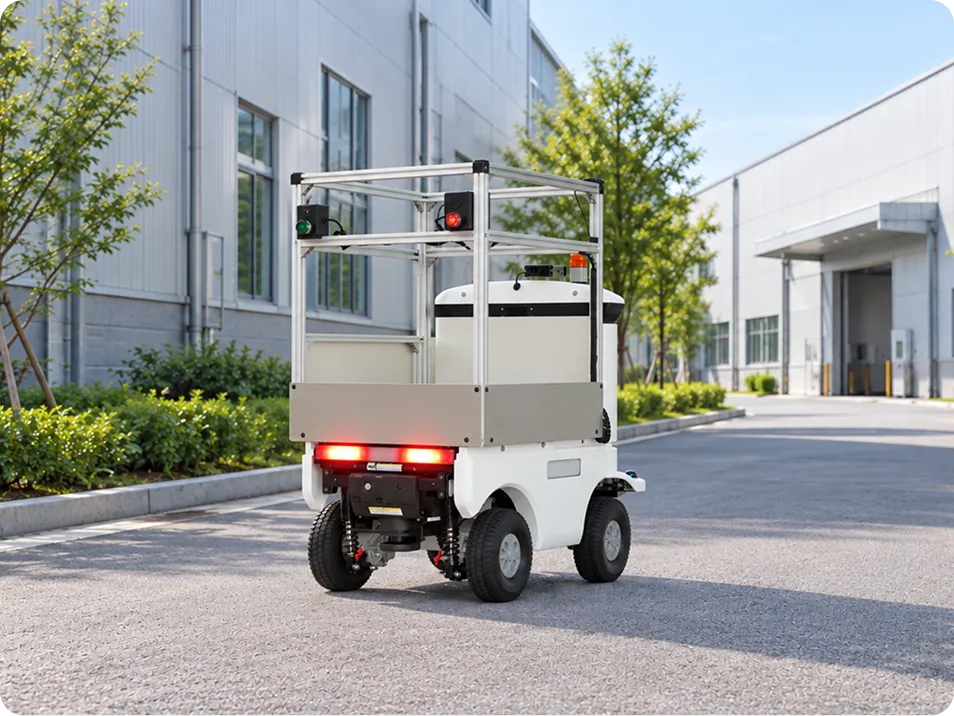
Inter-Factory Transport Across Sites
Supports transport between multiple factories via public roads, without the need for reloading.
PRODUCT
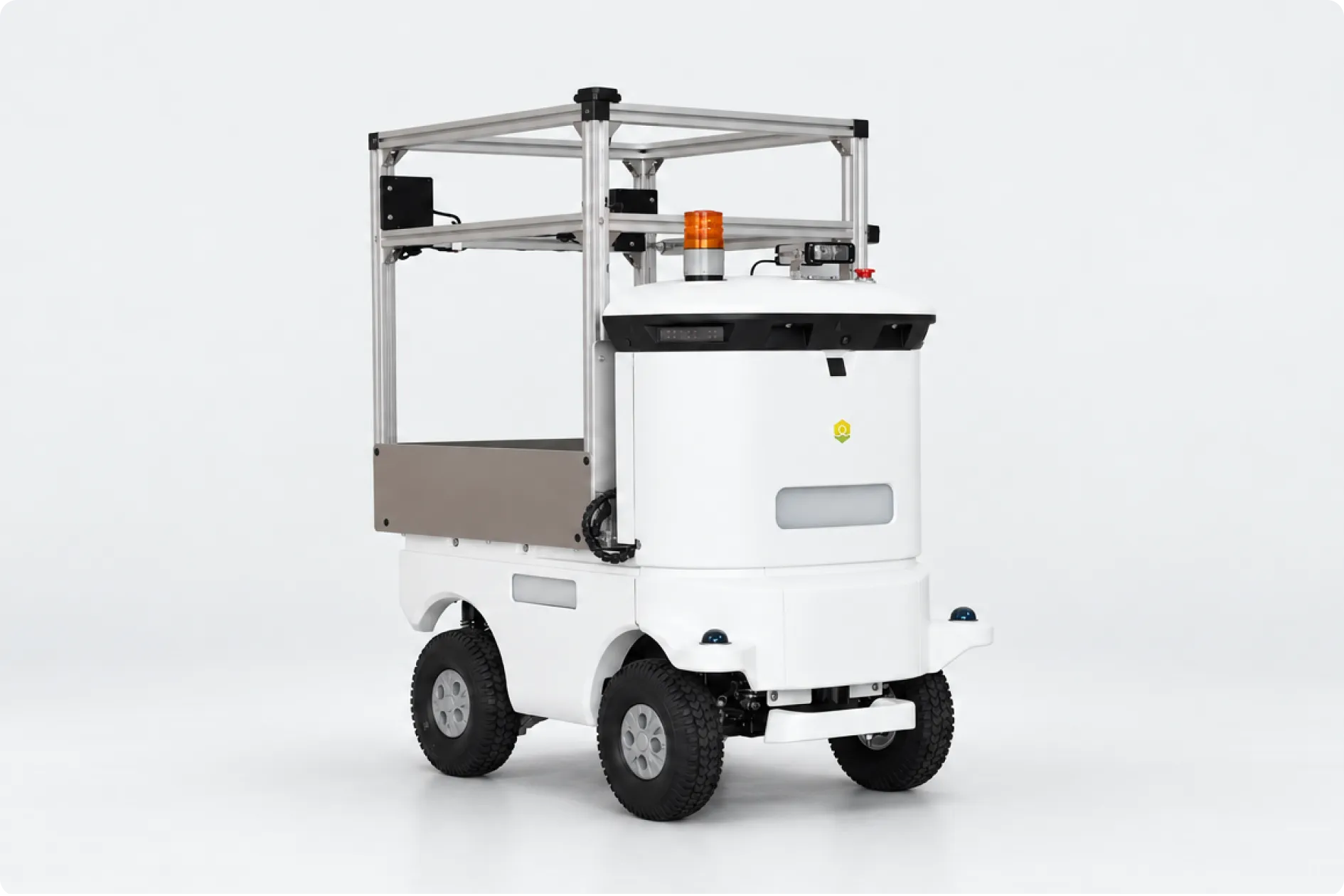
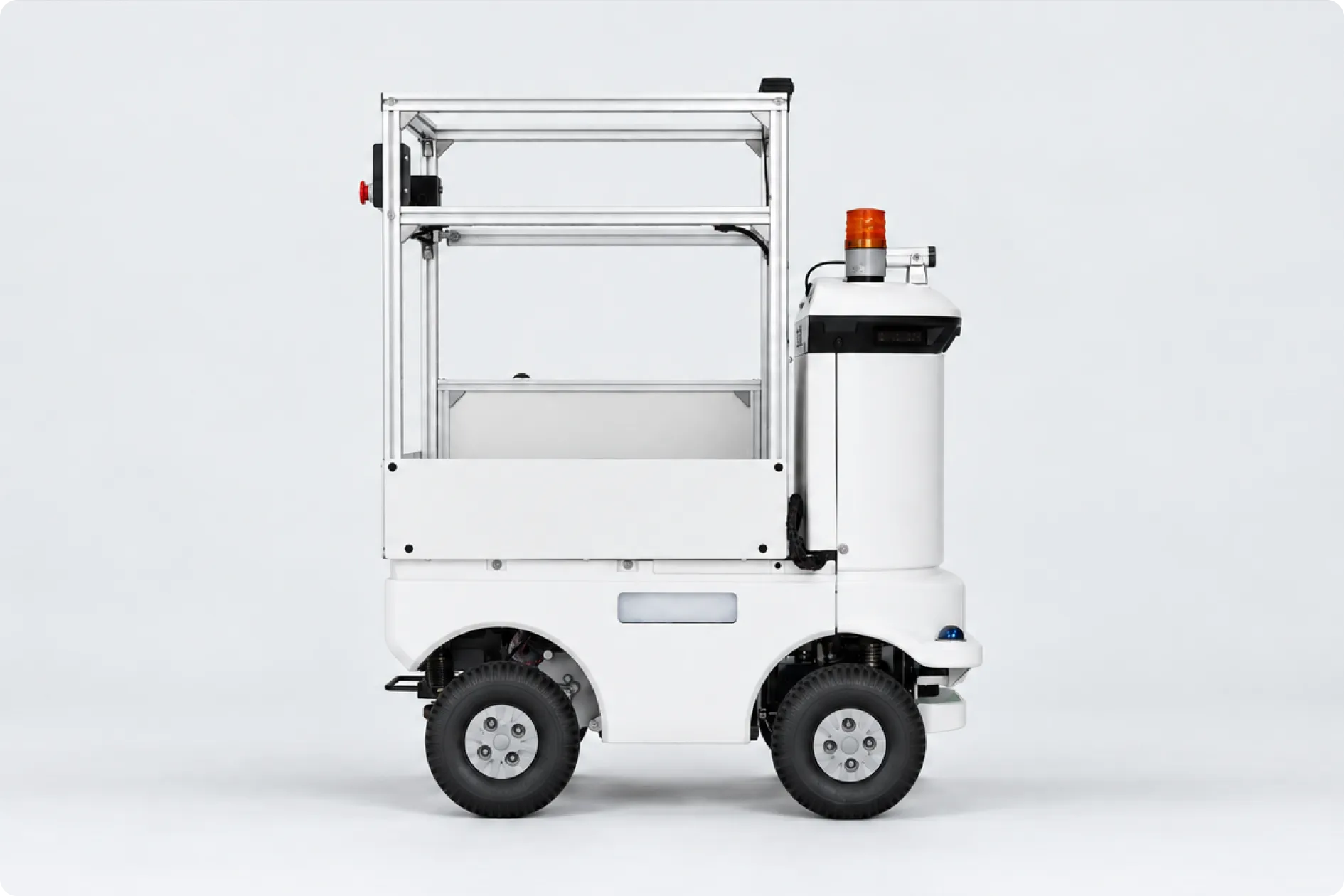
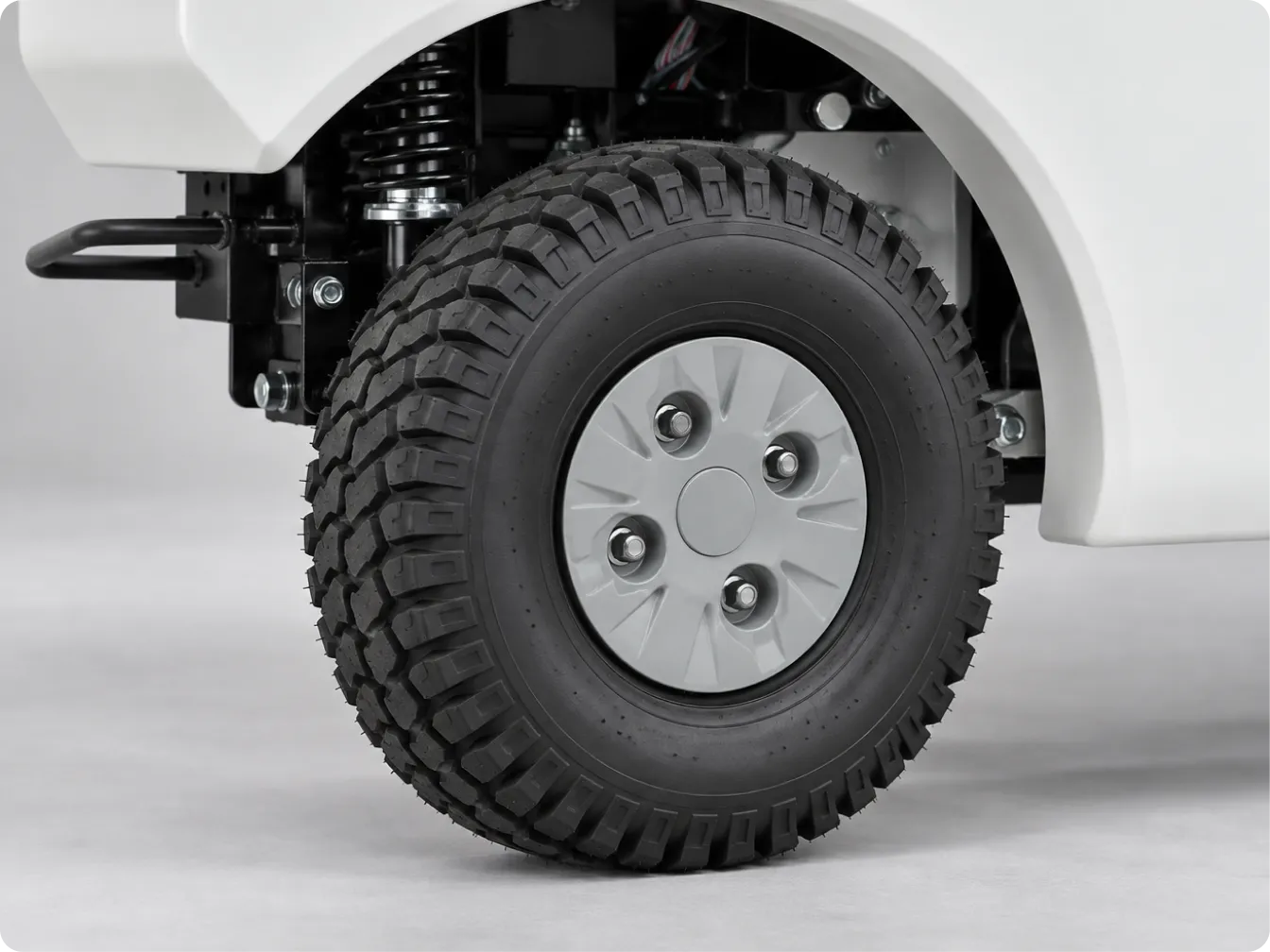
Product Design
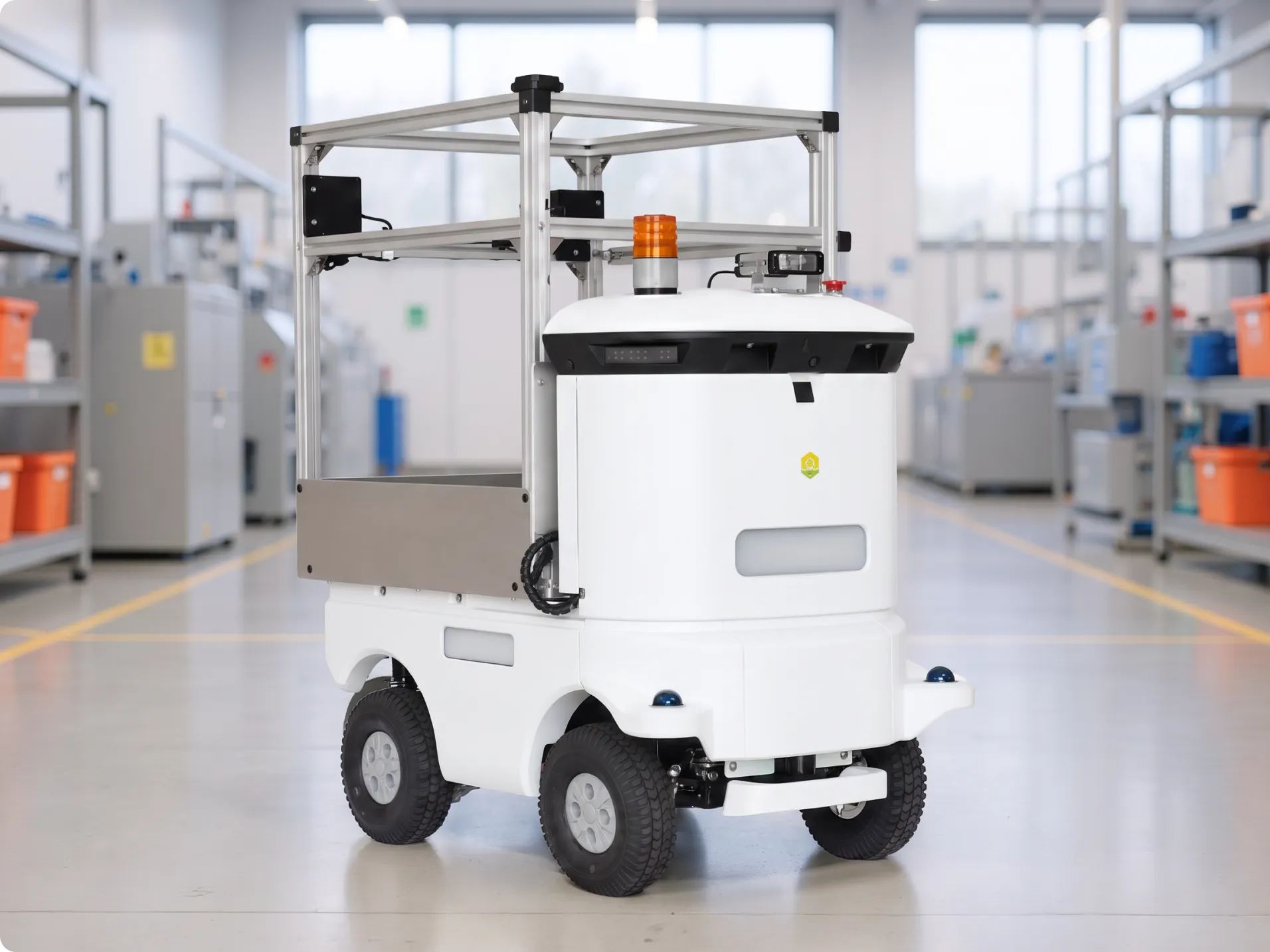
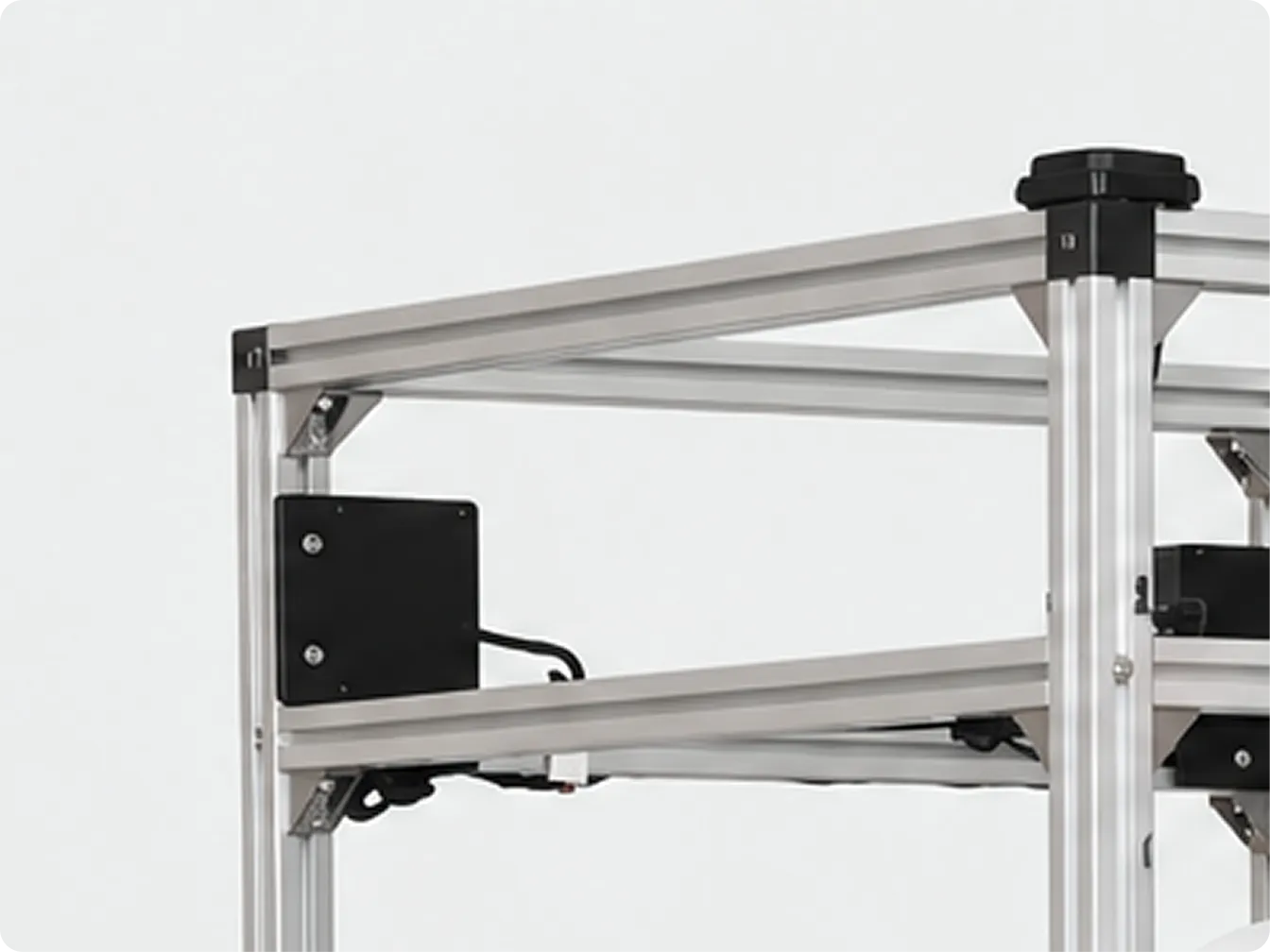
LM-T features a dedicated cargo space for carrying goods.
Handles both indoor and outdoor transport, supporting day-to-day logistics in factories and facilities.
SYSTEM
How LM-T Works
Autonomous driving, remote monitoring, and safety detection support reliable transport operations.
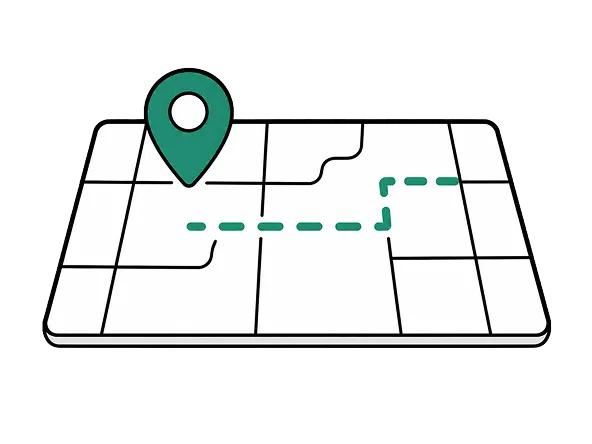
Route Planning
Routes are designed using 3D maps.
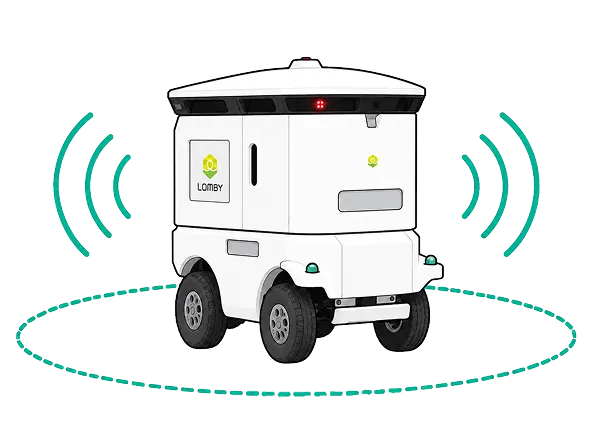
Autonomous Driving
Sensors detect and recognize the surrounding environment.
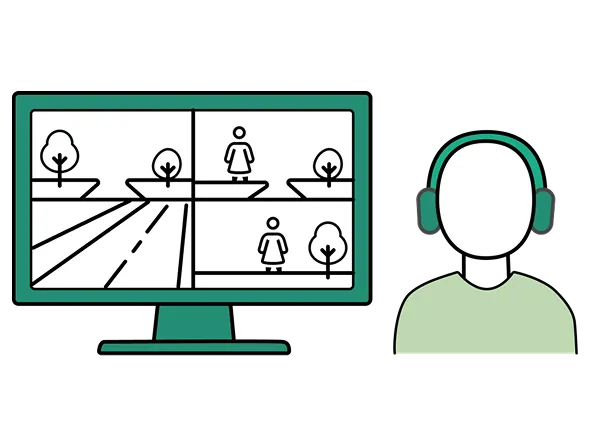
Remote Monitoring & Support
Operation is monitored through 4G connectivity and onboard cameras.
Safety Control
The robot can slow down, stop, and avoid obstacles as needed.
Autonomous Driving
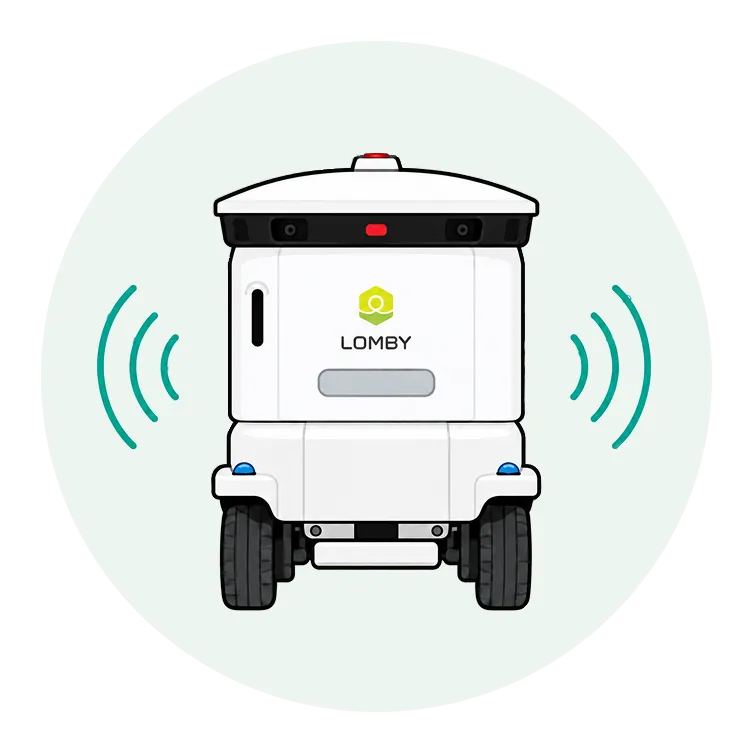
3D LiDAR and cameras are used to detect the surrounding environment. Traffic signals are automatically recognized using cameras.
Remote Monitoring
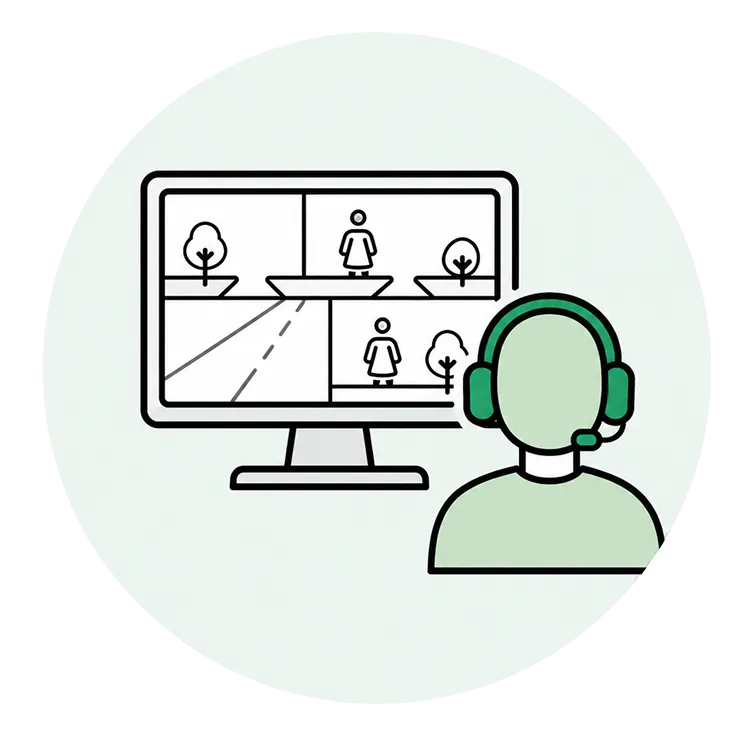
The robot's status is monitored through 4G connectivity and four onboard cameras. Operators can provide support when necessary.

Safety Design
LM-A detects obstacles and responds by slowing down, stopping, or avoiding them depending on the situation. Lights and audio cues also communicate the robot's status to people nearby.
MANAGEMENT
Management Dashboard for Factory Staff
Factory staff can use a dedicated management dashboard to support LM-T operations.
Easy to manage with simple controls—no specialized knowledge required.
Task Creation & Management
Factory staff can create and manage transport tasks.
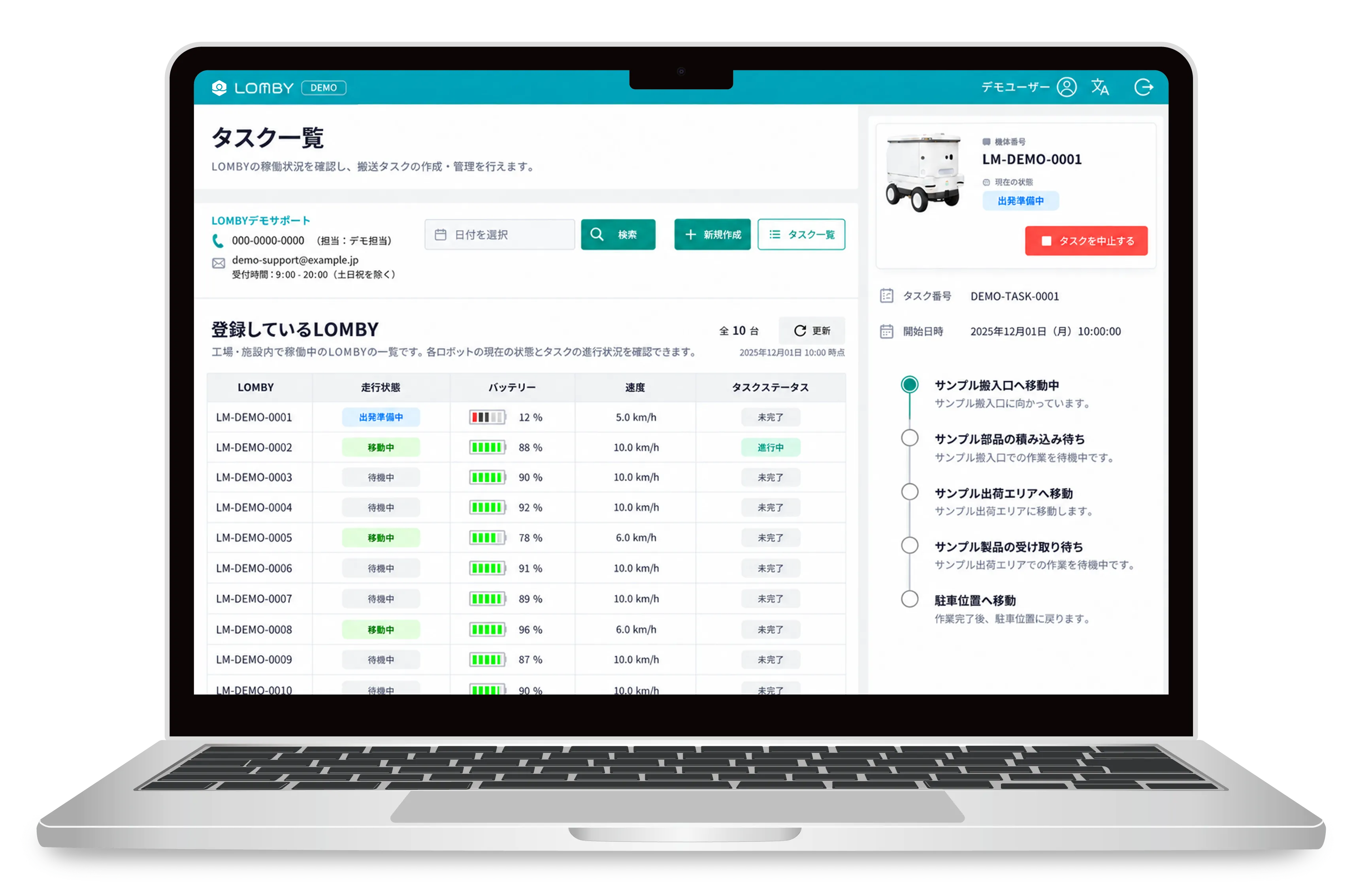
*Some screens shown are still under development. Displayed content is for demonstration purposes only.
FEATURE
LM-T Features
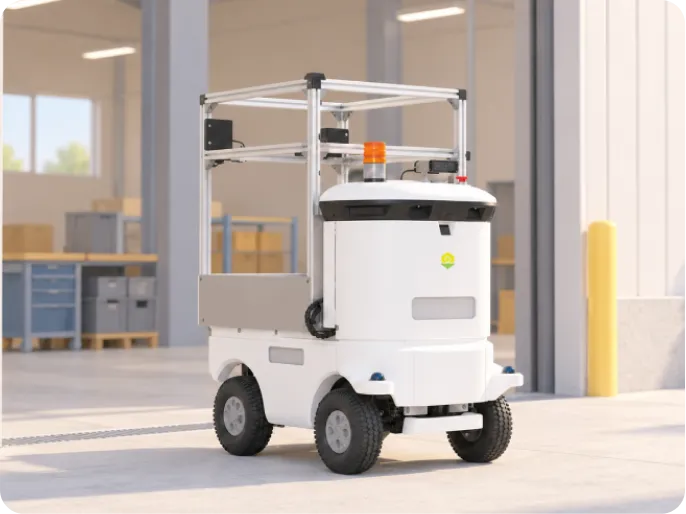
Indoor & Outdoor Compatibility
工場内から屋外まで搬送ルートをつなぎます。
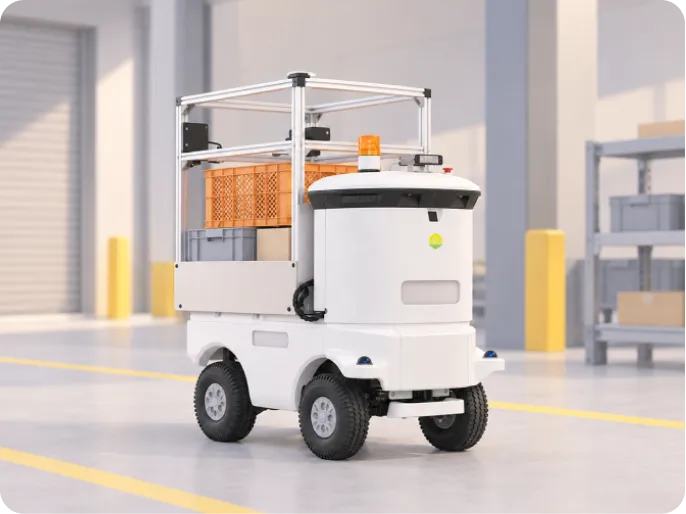
Transports Loads up to 60 kg*
Supports the transport of parts and goods used on-site.
*Reference value
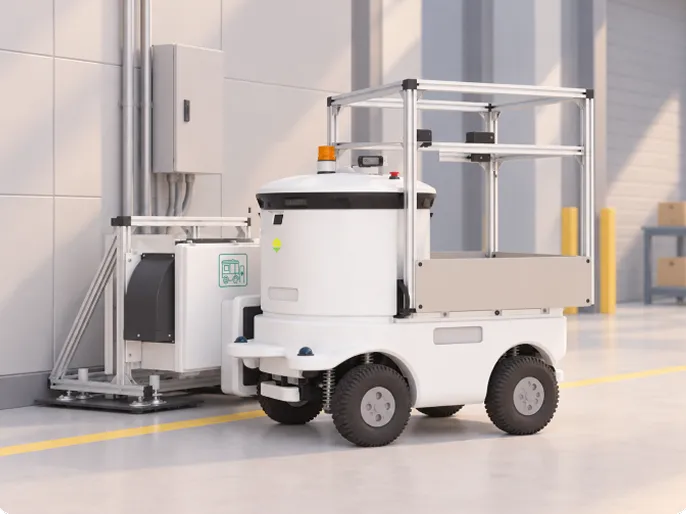
Automatic Power Supply & Fast Charging
Charging Functions Designed for Continuous Operation
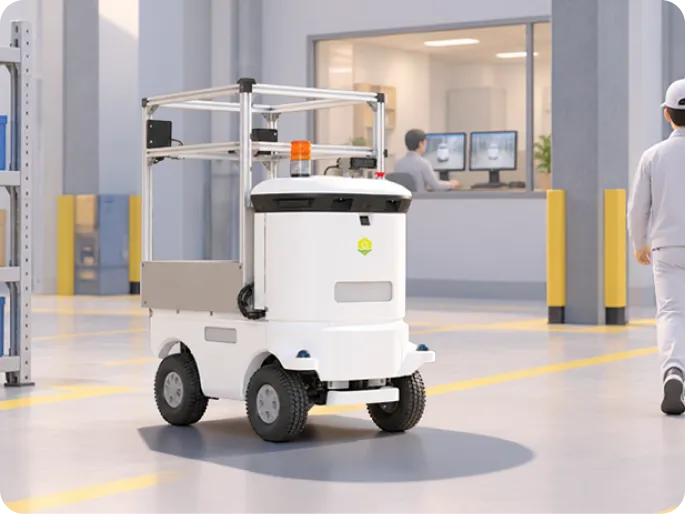
Remote Monitoring & Safety Detection
Equipped with four cameras and 3D/2D LiDAR.
SCENE
Use Cases
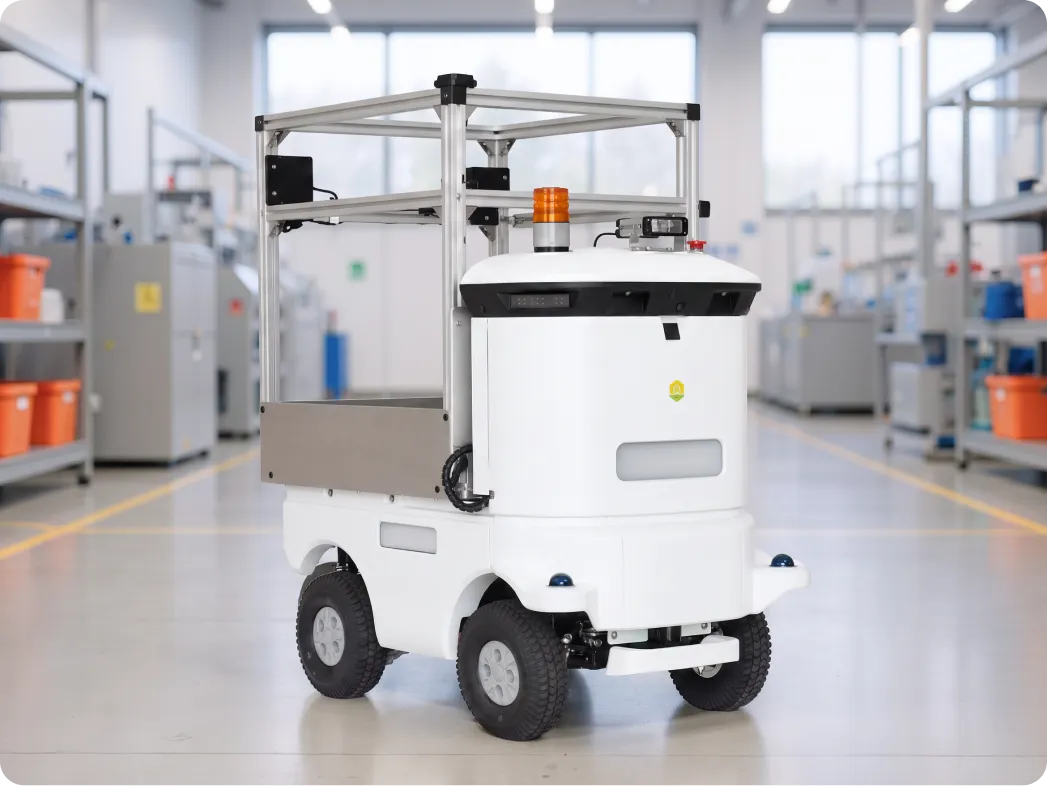
Routine Transport Within Factories
Automates repetitive transport of parts and goods previously handled by carts.
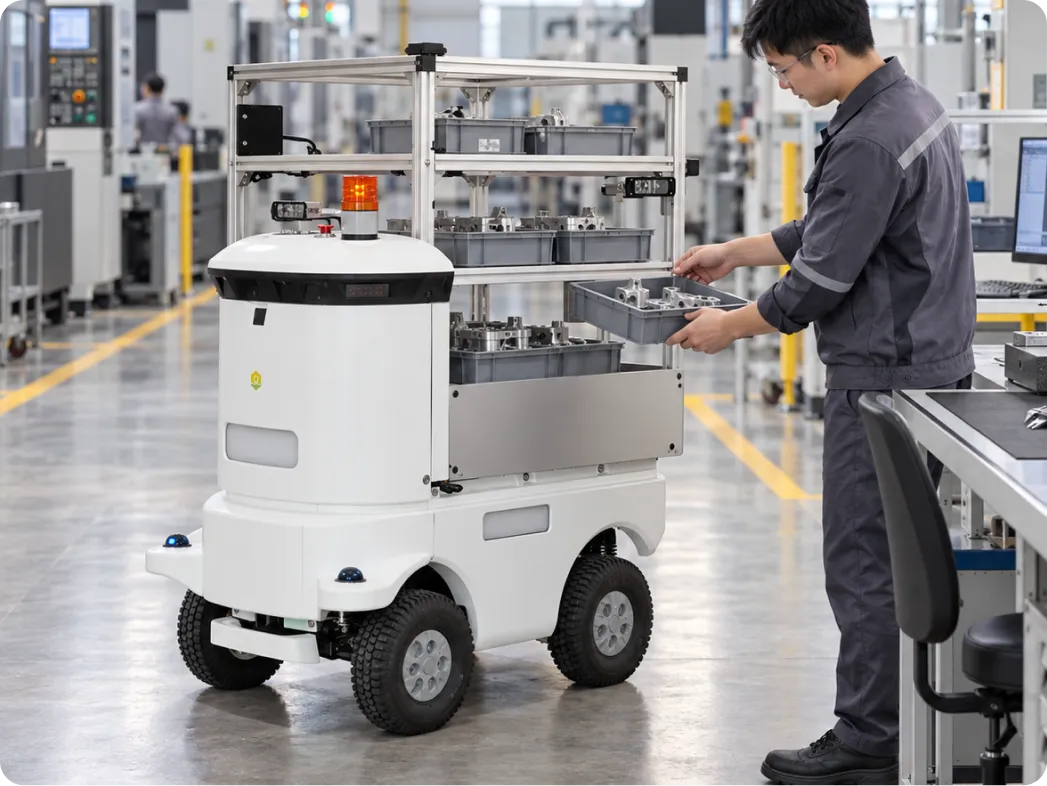
Frequent Transport of Samples
Handles frequent sample transport between production areas and inspection locations.
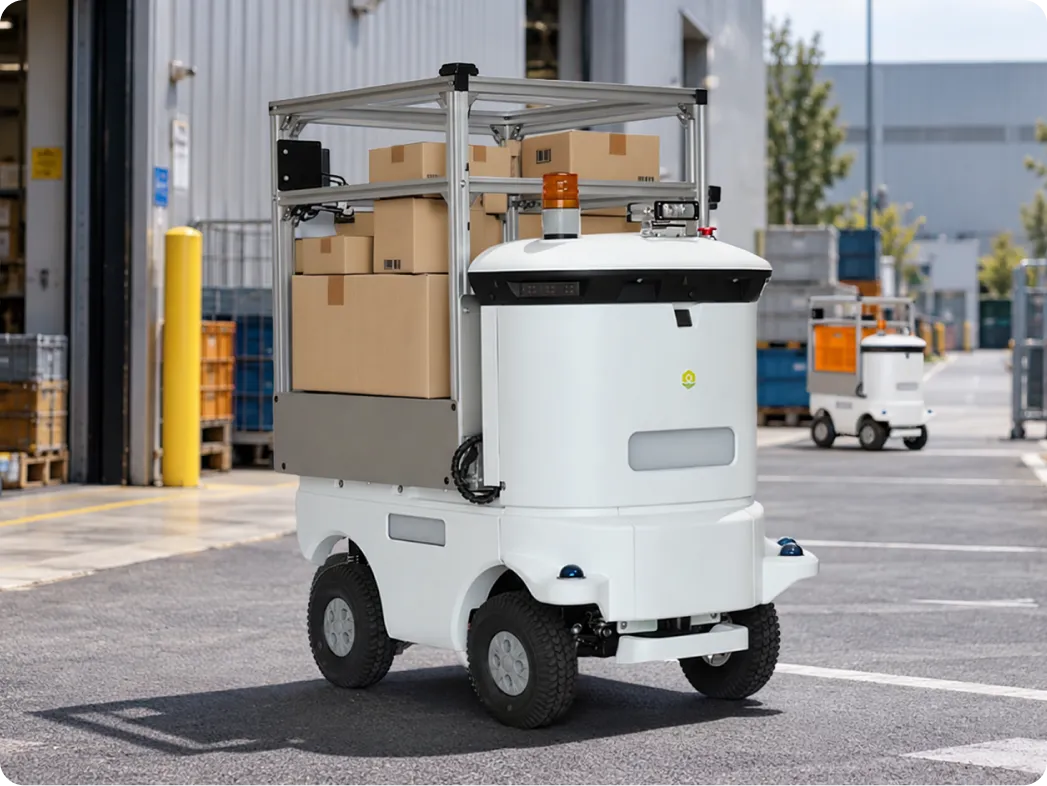
Transport Between Multiple Factories
Supports transport across factory sites and public roads without the need for reloading.
OPTION
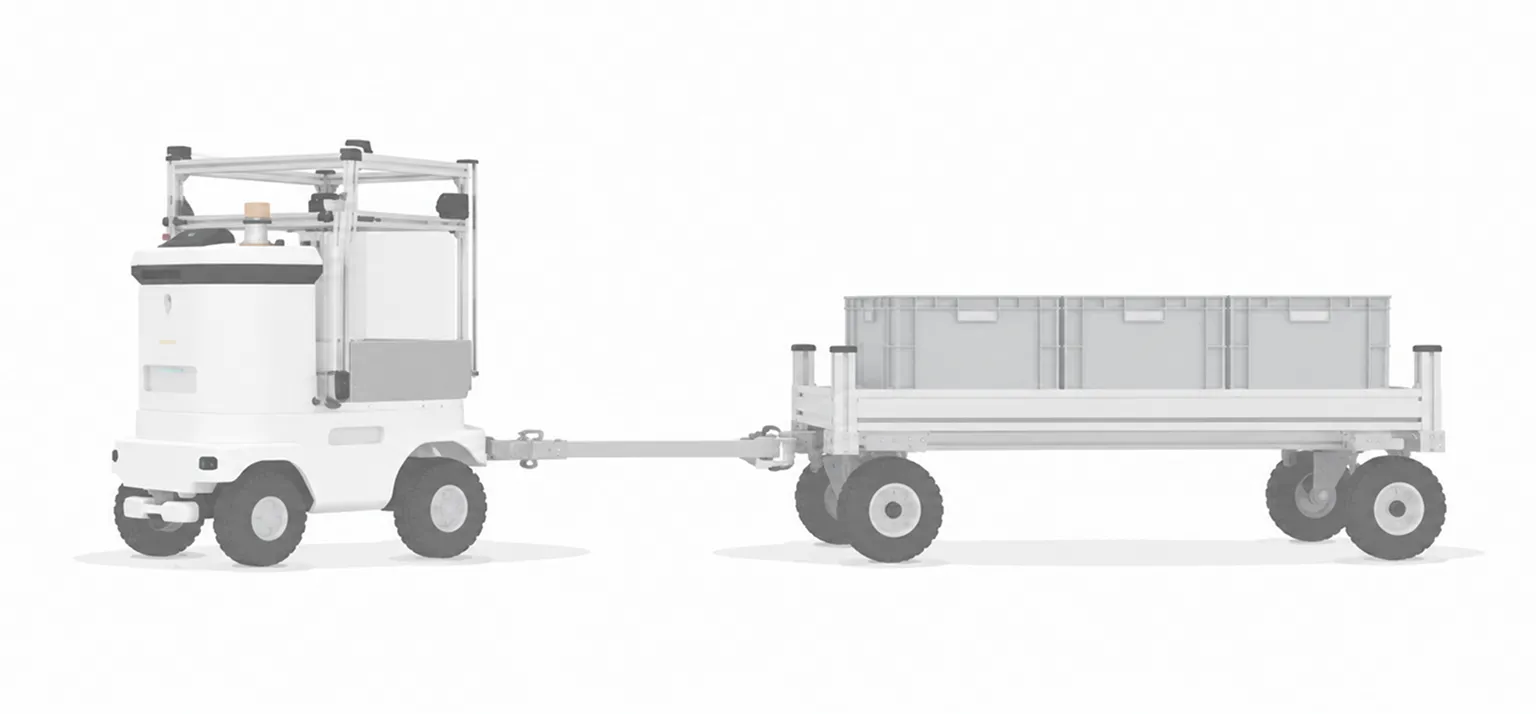
Towing Option (Under Development)
Expanding the Possibilities of Transport.
In addition to carrying loads on the platform, a towing option for carts is currently under development, with the aim of supporting a wider range of transport needs within factories.
Details such as specifications and towing capacity will be announced after testing is complete.
MODEL
Specifications
| Model | LM-T |
|---|---|
| Dimensions | Length: 970 mm / Width: 628 mm / Height: 1,170 mm |
| 荷台寸法 | Length: 612 mm / Width: 557 mm / Height: 660 mm |
| Weight | 140kg |
| 最大積載量 | 60kg *Reference value |
| Drive System | Direct drive on two rear wheels |
| Braking System | Motor dynamic braking and de-energized braking system |
| Continuous Operating Time | 6km/h |
| Maximum Speed (Reverse) | 3km/h |
| Climbing Ability (Gradient) | 8° |
| Maximum Step Height | 4cm |
| 使用温度 | -20℃〜40℃ |
| Minimum Turning Radius | 900 mm (measured at the outermost edge of the front wheels) |
| Voice Output | VOICEVOX:Zundamon |
STEP
Implementation Process
STEP
01

Consultation
We learn about your current needs and challenges, including the delivery area, operating hours, and the characteristics of the items being delivered.
STEP
02
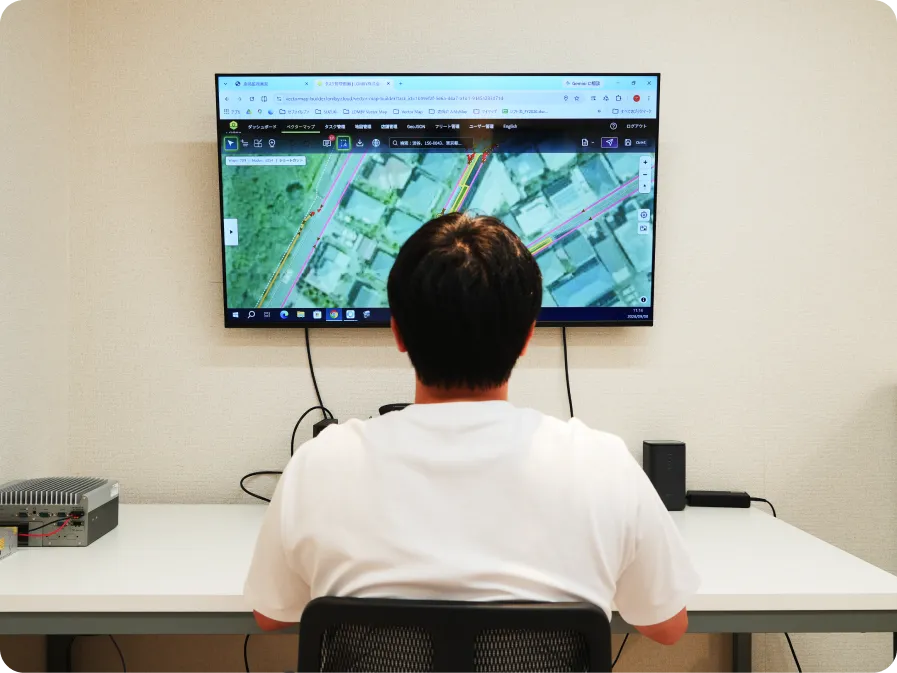
Field Testing
LOMBY is tested in the actual operating environment to evaluate its effectiveness and identify operational challenges.
STEP
03
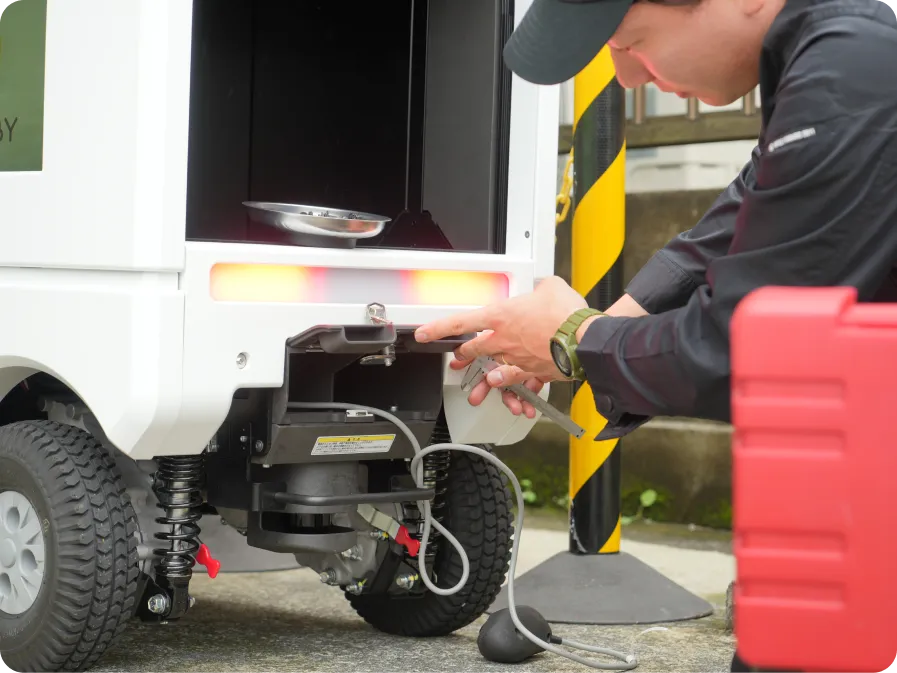
Implementation
Based on the test results, operating rules and support systems are established before full-scale deployment.
STEP
04
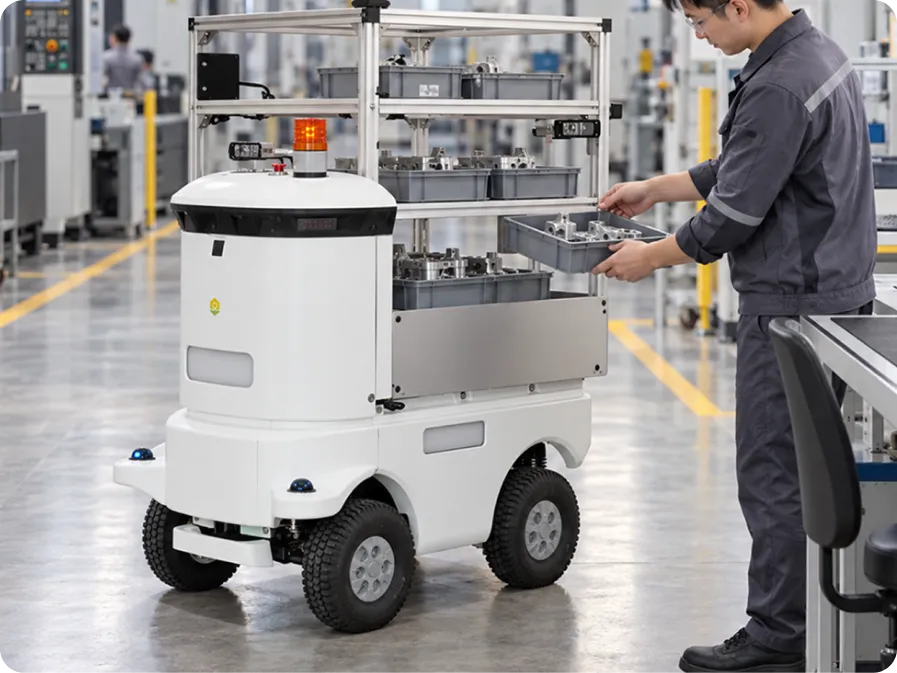
Operation
After deployment, operating conditions continue to be monitored and the service is improved as needed.